Services

Everything from
the dirt up.

Nine services across three stages of a property's life. One crew, one number, one estimate — whether you need an acre cleared or a lawn mowed every other Tuesday.

  • Jefferson County based
  • Free estimates
  • Same-day callback
  • Debris hauled off

01 — Clear

Clear

Take it back to workable ground. Overgrowth, scrub, silted-in drainage and everything in the way of what comes next.

Land Clearing

Overgrown parcels, new build sites, pasture reclaim and fence lines. We take a lot from impassable to usable — brush, saplings, undergrowth and the debris that comes with it. Jefferson County requires a land disturbance permit once you pass roughly 5,000 sq ft, disturb an acre, or cut or fill 5 feet or more; we'll tell you up front which side of that line your job falls on.

Best November–February, when frozen ground carries equipment without rutting.

  • Residential lots and building pads
  • Acreage and pasture reclaim
  • Fence lines and property boundaries
  • Honeysuckle, multiflora rose and cedar encroachment
  • Debris hauled off, not left in a pile
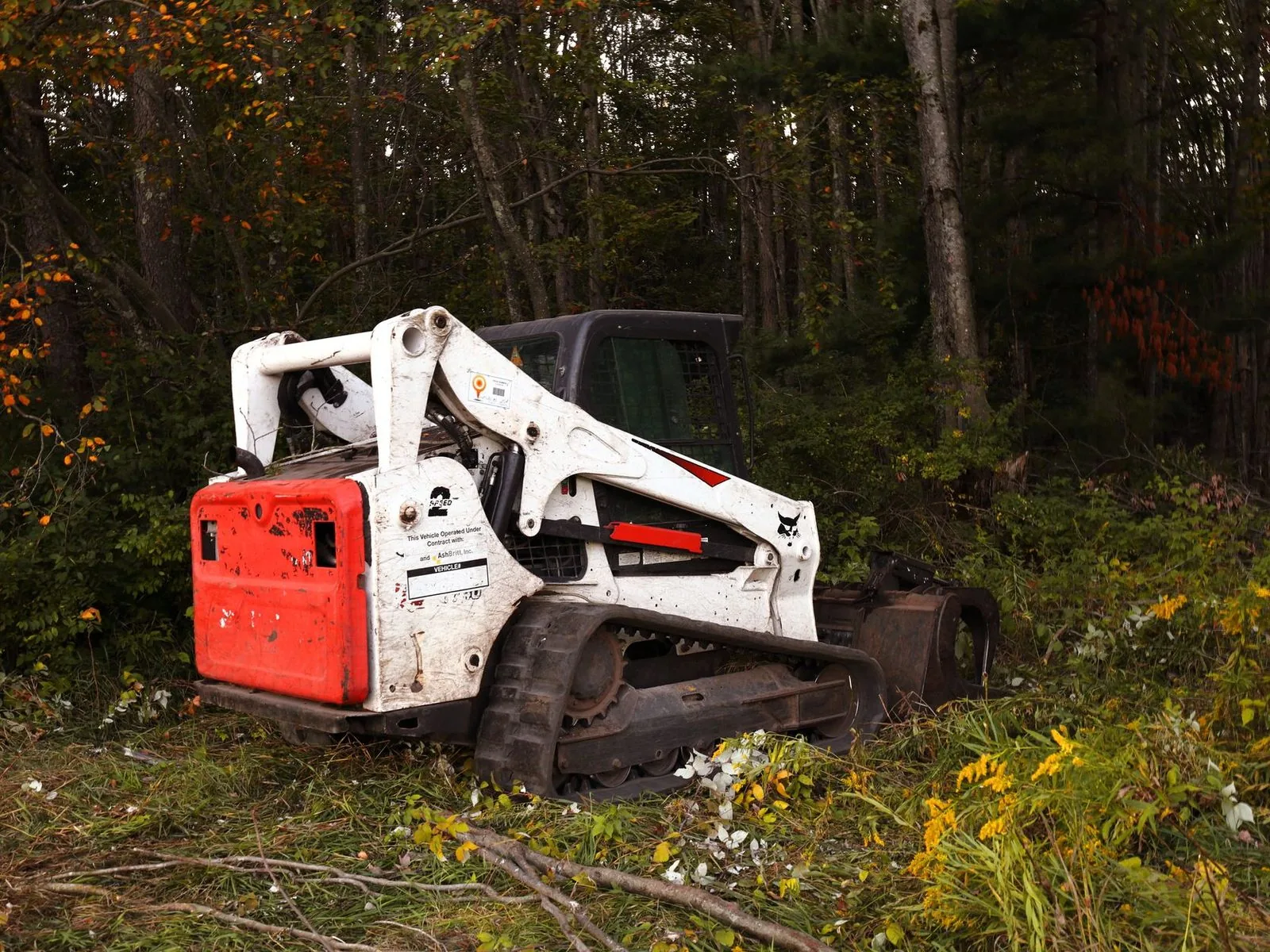
Land clearing on a Jefferson County property

Brush Clearing

The tight, ugly work — fence rows choked with honeysuckle, creek banks, treelines creeping into the yard, and the back half of a property nobody has touched in ten years. Smaller footprint than a full clear, same finish standard.

Fall through winter is cleanest — dormant growth, firm ground, fewer ticks.

  • Fence rows and treelines
  • Creek and ditch banks
  • Poison ivy, locust and hedge
  • Overgrown back lots
  • Access paths and trails
Brush and overgrowth cut back

Ditch Clearing

Silted-in ditches, blocked culverts and washed-out swales. Jefferson County's clay soils and rolling Ozark-foothill terrain move a lot of water fast — a ditch that stopped draining two seasons ago is usually why the low corner of the yard stays soft.

Spring and fall, ahead of the heavy-rain months.

  • Roadside and field ditches
  • Culvert inlets and outlets
  • Silt and debris removal
  • Regrading for fall
  • Erosion trouble spots
Drainage ditch reopened so water leaves the property

02 — Build

Build

Put something permanent in its place — walls that hold grade, masonry that lasts, and structures sized for the slope you have.

Retaining Walls

Built for the slope you actually have, with the drainage behind it that keeps it standing. Around St. Louis, walls over 4 feet measured from the bottom of the footing generally need a permit and an engineer's stamp — we'll tell you before you're committed, not after.

Spring through late fall, before ground freeze.

  • Segmental block and natural stone
  • Terraced and tiered walls
  • Proper base, backfill and drainage
  • Grade correction and levelled yards
  • Wall repair and rebuild
Stone retaining wall holding back a slope

Brick & Masonry Work

Piers, columns, steps, mailbox surrounds, fire pits, veneer and repair work on what's already there. Straight lines, full joints, and mortar matched to the existing when we're tying into old work.

Spring through fall — mortar needs temperatures above freezing.

  • Brick, block and natural stone
  • Steps, piers and columns
  • Fire pits and seating walls
  • Tuckpointing and repairs
  • Veneer and facing
Brick laid with mortar

Decks & Outdoor Construction

New builds and rebuilds — framing, decking, rails, stairs and landings. Sized and detailed for the grade, which on a lot of Jefferson County properties means working with a slope rather than pretending it's flat.

Spring through fall.

  • New deck construction
  • Rebuilds and board replacement
  • Stairs, landings and rails
  • Ground-level and elevated
  • Grading and site prep included
Timber deck under construction

03 — Maintain

Maintain

Keep it that way. Mowing on a schedule, seasonal clean-ups, and hauling off whatever accumulates.

Lawn Care & Yard Management

Weekly and bi-weekly mowing April through October, with trimming, edging and blow-off every visit. Cool-season fescue and bluegrass go semi-dormant in the July–August heat, so the schedule flexes with the grass instead of billing you for cuts it doesn't need.

April to late October. Peak growth April–June.

  • Weekly and bi-weekly mowing
  • Trimming, edging and blow-off
  • Residential and commercial
  • Vacant lots and rentals
  • One-time overgrown-lot cuts
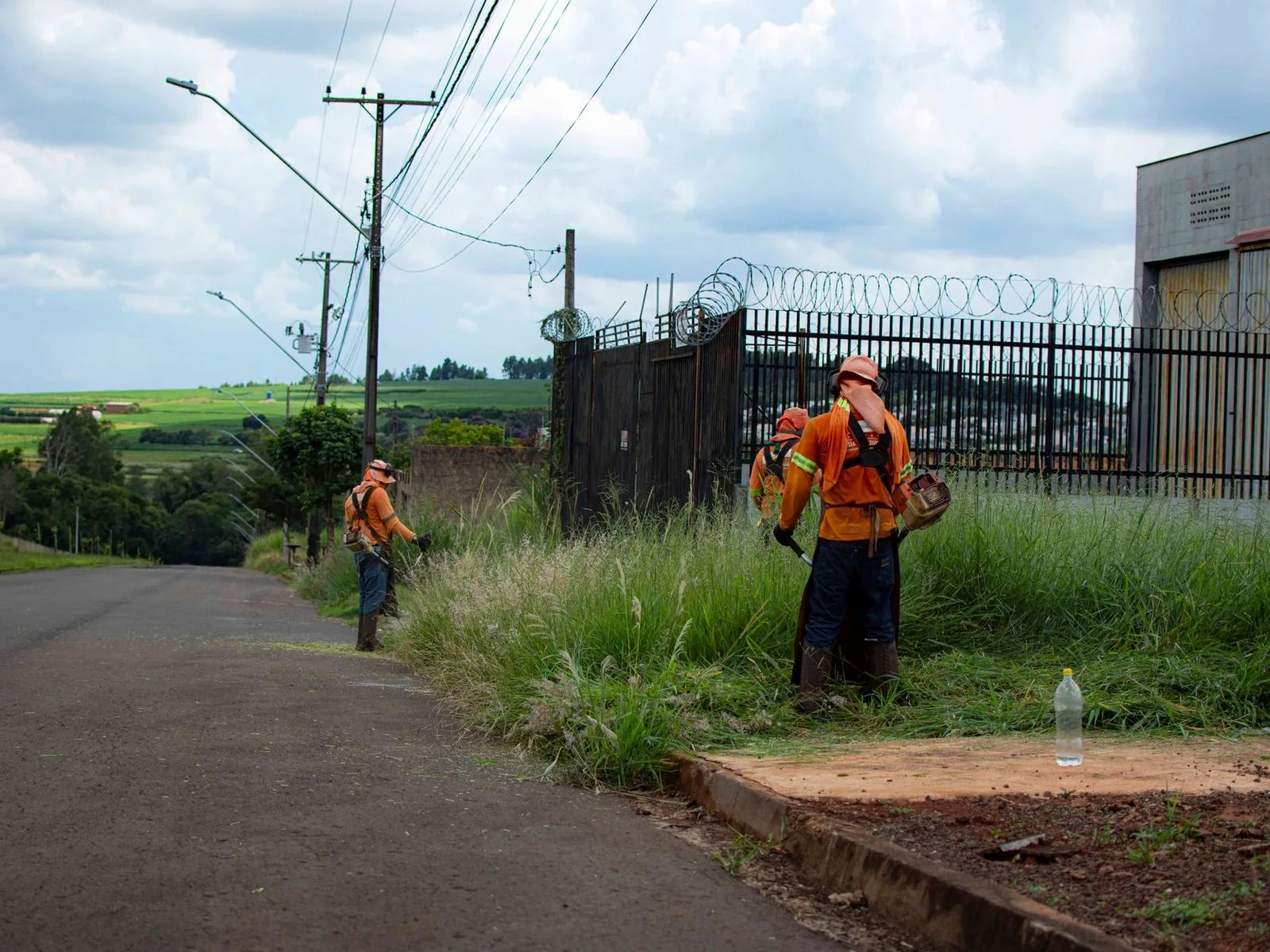
Lawn mown as part of yard management

Junk Removal

Storm debris, old fencing, appliances, brush piles, construction leftovers and the contents of a shed nobody has opened since 2009. Loaded and hauled; you don't touch it.

Year-round.

  • Yard and storm debris
  • Garage, shed and outbuilding clean-outs
  • Old fencing, decking and lumber
  • Appliances and scrap
  • Post-construction clean-up
Debris and junk cleared from a property

General Property Maintenance

Spring clean-up, leaf removal, mulch, gutter clearing, seasonal knock-downs and the running list of small things that never quite get done. Set up as a standing arrangement or call when you need it.

Year-round, with clean-up peaks in spring and October–November.

  • Spring and fall clean-ups
  • Leaf removal, October–November
  • Mulch and bed maintenance
  • Vacant and rental property upkeep
  • Standing seasonal schedules
Grounds and property maintenance work

Not sure which one you need?

Describe it in plain language and we'll sort it out. Most properties need two or three of these anyway.